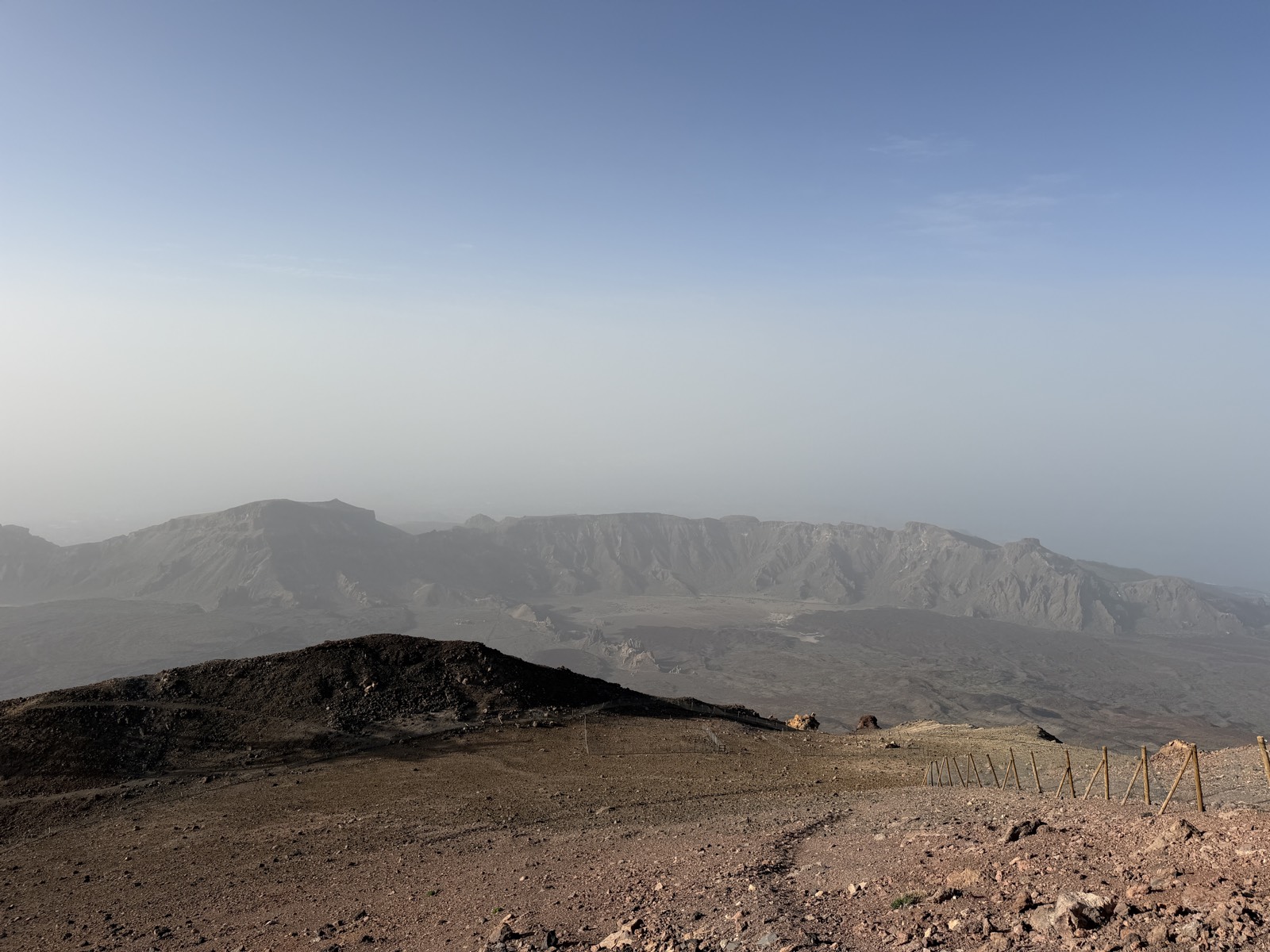
Is Mount Teide Still Active?
Fixes unsourced numbers (11,700, 900,000, 160, 15, several hundred thousand), reduces em dashes to ≤7, adds a monitoring-instruments table, and rewrites…
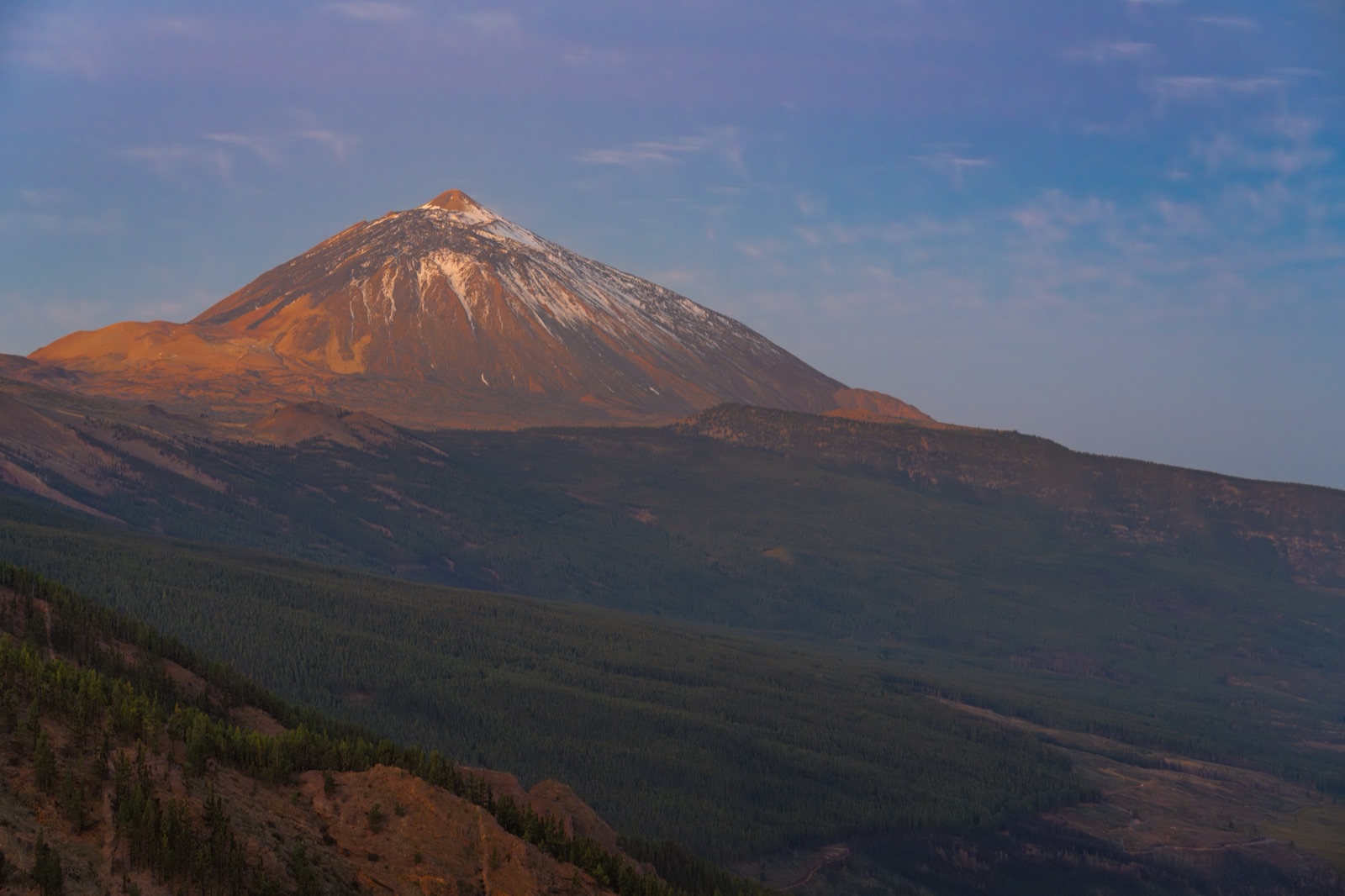
Mount Teide: The Highest Mountain in Spain
Mount Teide is Spain's highest peak, surpassing the Sierra Nevada and Pyrenees. This article explores the ranking, the volcanic origins, and the…
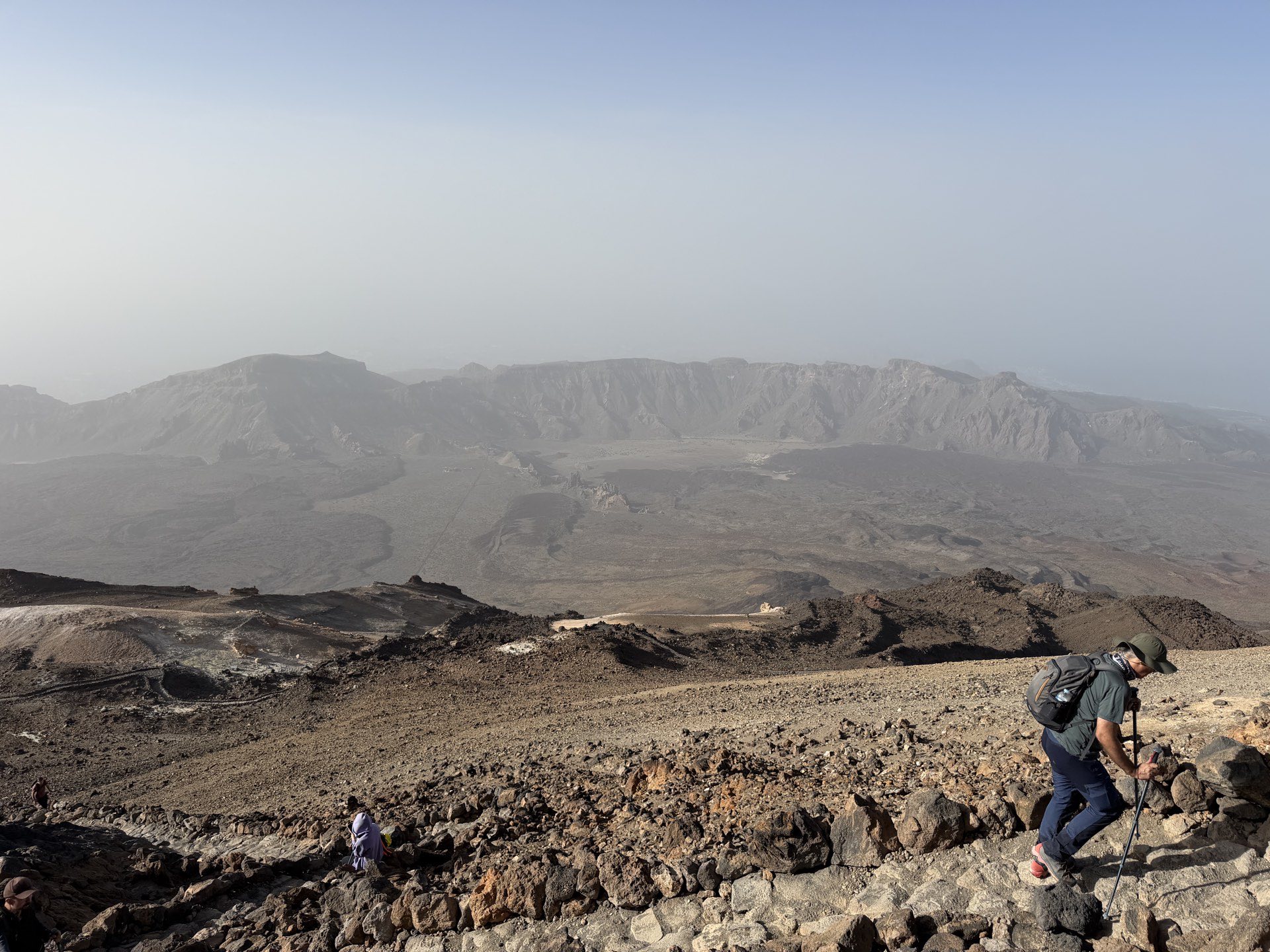
Pico Viejo: Teide's Overlooked Twin and Its 800 m Crater
Pico Viejo is Tenerife's second summit at 3,135 m with an 800 m crater far wider than Teide's own. Its overlooked trail gives a quieter high-altitude…
Tajinaste Rojo: Teide's Three-Metre Red Tower
The red tajinaste (Echium wildpretii) is Teide's most dramatic endemic plant, a monocarpic tower of crimson flowers that blooms once before dying. This…
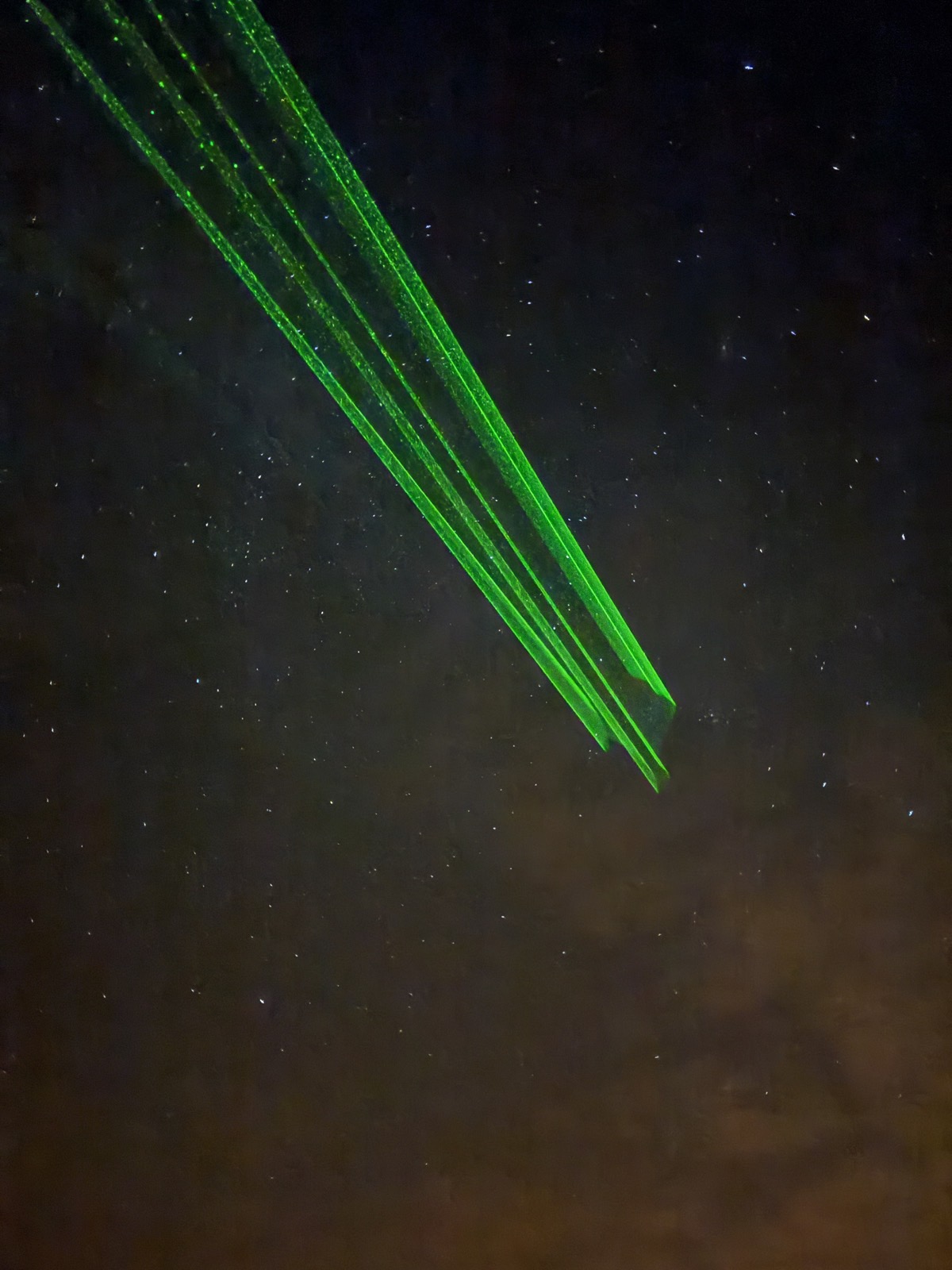
Teide Observatory: Europe's Solar Telescope Capital
Europe's leading solar observatory sits at 2,390 m on Tenerife's caldera rim. Here's what its telescopes study and why the site was chosen.
Los Huevos del Teide: How the Teide Eggs Formed
A short geological feature about the accretionary lava balls known as Los Huevos del Teide on Montaña Blanca.
Measured From the Seabed, Teide Is 7,500 m Tall
Mount Teide stands 3,715 m above the Atlantic, the highest point in Spain. But stand on the summit and you are standing on roughly 7,500 m of volcanic…
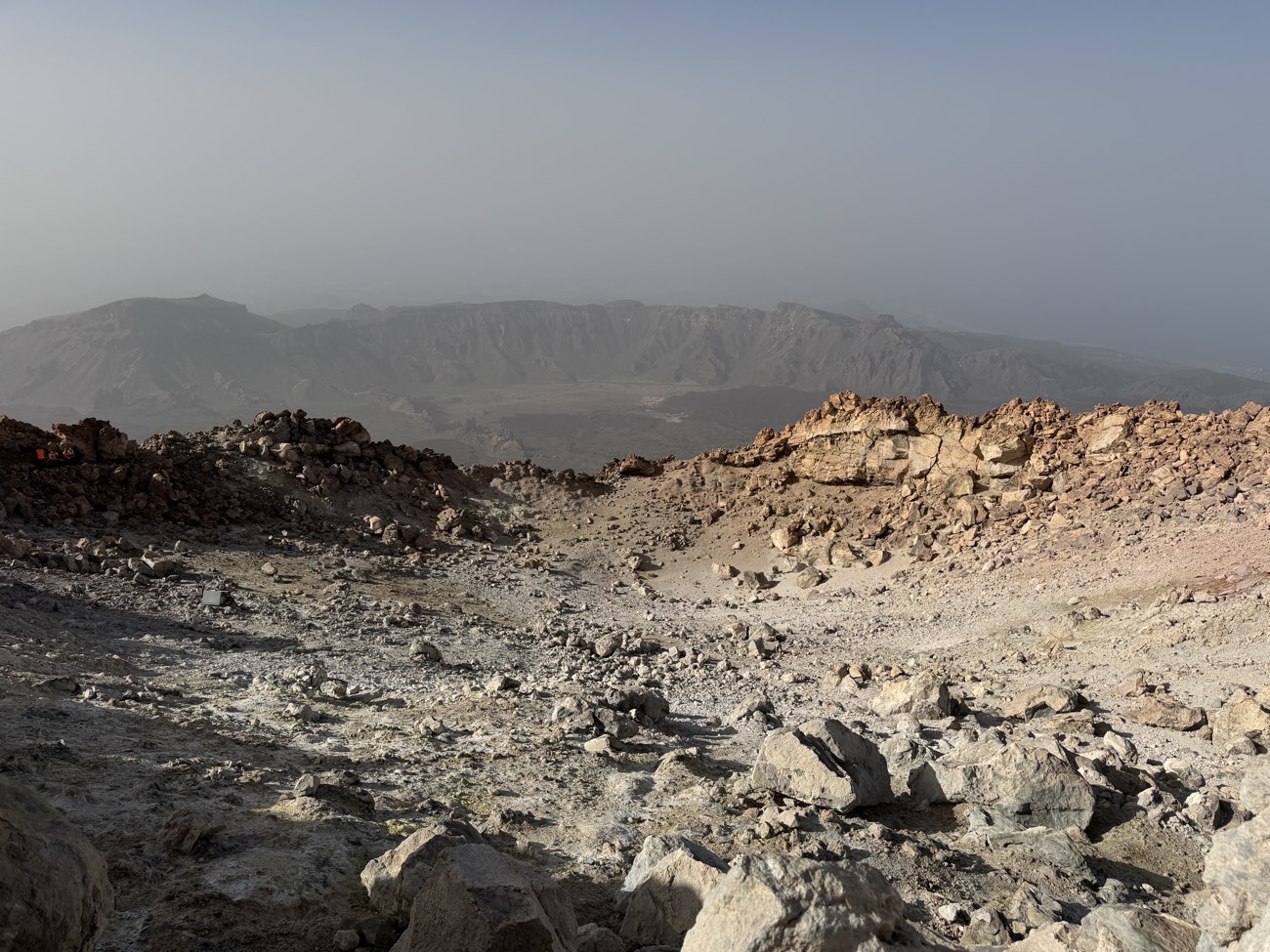
Phonolite: The Ringing Rock That Built Teide's Cone
A geological explanation of why Mount Teide's summit cone is built of phonolite rather than basalt, and what that means for the mountain's shape and…
Reading Teide's Lava Flows: Aa, Pahoehoe and the Black Rivers
A practical guide to reading lava flows in Teide National Park — distinguishing ʻaʻā from pāhoehoe, estimating relative age from surface weathering, and…
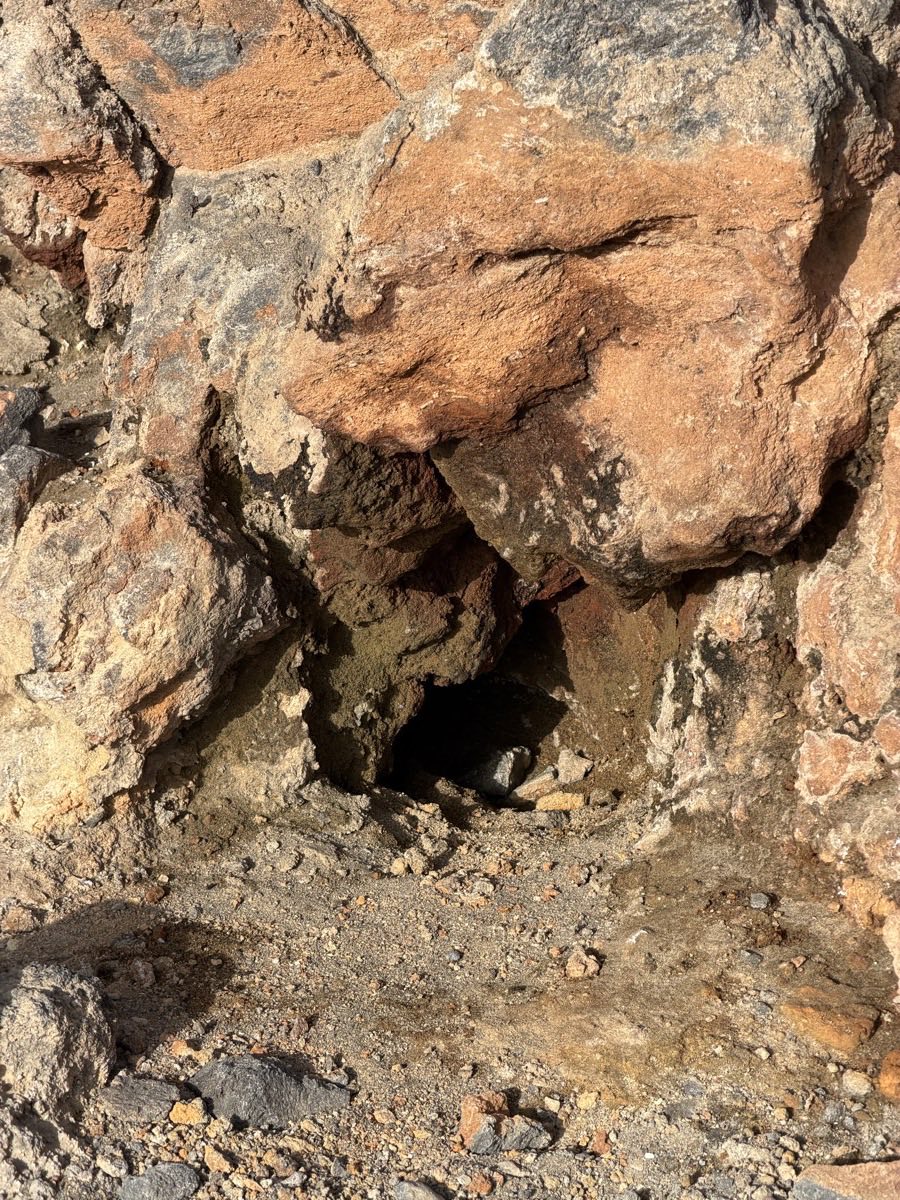
Teide vs Pico Viejo: Two Summits, One Complex
Stand on the rim of Pico Viejo at 3,135 m and you look across the Cañadas caldera floor at Teide, rising higher. Stand on Teide’s summit and you look down…
Teide's Fumaroles: The Sulphur Smell at the Summit
What Teide's summit fumaroles are, what the sulphur smell means, and why the warm ground at 3,715 m matters for volcano monitoring.
Teide's Obsidian: Volcanic Glass and the Guanche Tool Trade
A journal article about obsidian on Mount Teide, covering its geological formation, where it appears on the mountain, Guanche tool use, archaeological…
40 articles · page 1 of 4