Wildlife
The Birds of Teide National Park
A faint whistle carries across the Llano de Ucanca at sunrise, a sound that seems to come from the pale pumice itself. A small, streaky bird flicks from stone to stone, tail bobbing. This is Berthelot’s pipit, the most frequent feathered resident of the caldera floor, and for many visitors the only bird they will notice on the high ground of Teide National Park.
The park’s high zone is open, arid and largely above the tree line. It holds very few species. Anyone expecting a rich birding destination will be disappointed. But those who adjust their expectations find a handful of highly adapted birds that make the sparse landscape feel less empty. This article covers what you will actually see on the caldera and the approach roads, not an exhaustive checklist.
What to expect on the high ground
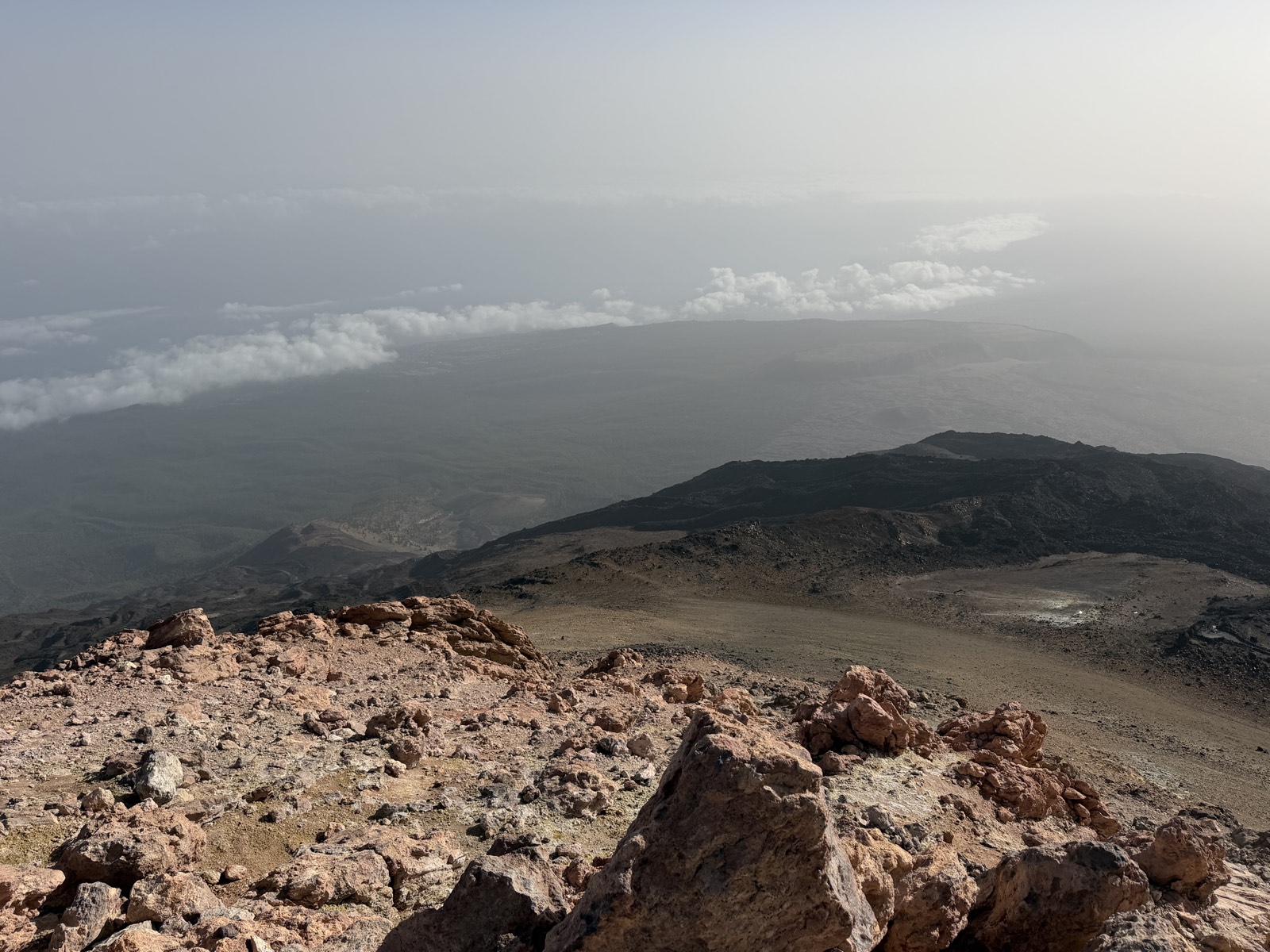
Above about 2,000 m the volcanic terrain becomes bare lava, pumice screes and scattered retama shrubs. Insects are scarce, water is absent for most of the year, and the midday sun is fierce. The bird community reflects these conditions: low density, low diversity, high specialisation.
The caldera floor – the Llano de Ucanca and the area around the Roques de García – is the easiest place to spot activity. Berthelot’s pipit is almost guaranteed if you stand still for ten minutes. The plain swift may sweep past at speed, especially near the cliffs of La Fortaleza. Rock pigeons rest on ledges of the caldera wall, their pale plumage blending with the rock.
Beyond these three, you are unlikely to add many species during a morning on the high ground. The real bird interest lies in the pine belt below the park boundary, where the Tenerife blue chaffinch holds court.
The species you will see
The table below lists the birds most regularly encountered in the national park and its immediate approach roads. None is rare within its habitat, but each requires a different kind of looking.
| Species | Where seen | Notes |
|---|---|---|
| Berthelot’s pipit (Anthus berthelotii) | Open caldera floor, pumice slopes, roadsides | Small, streaky brown, ground-feeding. Endemic to Canaries and Madeira. The bird most visitors actually see. |
| Common kestrel (Falco tinnunculus) | Hovering over any open ground, perching on telegraph poles | The only regular raptor of the high zone. Hunts lizards and insects. |
| Rock pigeon (Columba livia) | Cliffs of the caldera wall, El Portillo, Parador buildings | Not the town pigeon – pale, adapted to cliffs. Often seen in flight against the rock. |
| Plain swift (Apus unicolor) | Over caldera cliffs and around Roques de García | Fast, dark, sickle-winged. Often high up. |
| Canary Islands chiffchaff (Phylloscopus canariensis) | Retama scrub and lower woodland, especially near El Portillo | A small leaf-gleaner, more active than the pipit. Common below 2,000 m. |
| Tenerife blue chaffinch (Fringilla teydea) | Pine belt on the approach roads – TF-21 between La Orotava and El Portillo | The park’s flagship bird. Not a high-zone species. Requires forest stops. |
The resident raptor
The common kestrel holds the niche for avian predator in the high zone. It is the only raptor regularly seen above the tree line, though a passing buzzard or harrier may drift over on migration days. The kestrel’s method is unmistakable: a stiff-winged hover into the wind, head held still while the body adjusts, then a drop onto a lizard or beetle.
Look for them on the drive up the TF‑21, especially around the turn-off to the Parador, and on the caldera floor near the Roques de García viewpoint. They often perch on the cable‑car support pylons or on the roadside signs. A kestrel at eye level as you descend the Montaña Blanca trail is a fine sight. It seems to own the space.
The blue chaffinch – pine belt flagship
The Tenerife blue chaffinch does not live on the high ground. It belongs to the Canary Island pine forest, a belt of Pinus canariensis that wraps the lower slopes of the volcano where the forest grows. This forest is the richest bird habitat in the park, holding chiffchaff, great spotted woodpecker, and occasionally the endemic Canary Islands goldfinch. But the blue chaffinch is the draw.
Males are a slate‑blue with a pale bill, females a warm brown. They forage on the ground and in the lower branches, often at picnic areas. The best chance to see one is a stop at the Las Lajas recreation zone or along the TF‑21 between the village of La Orotava and the El Portillo visitor centre, early in the morning before the traffic builds.
Do not feed them. The park service actively discourages it, and a bird that becomes dependent on human scraps stops foraging naturally and may suffer nutritional imbalances. The same applies to the tame pipits that hop around picnic tables.
How and when to look
Bird activity in the park is driven by temperature and human presence. The early hours – from dawn until about 09:00 – are best. The air is still cool, the sun is low, and the birds are feeding after the cold night. By mid‑morning, visitor numbers increase, the heat rises, and the birds retreat to shade or cease active foraging.
The recommended approach is to drive up to El Portillo or the Parador before 08:00, spend the first hour walking the Roques de García loop (Trail 3) or the first section of the Montaña Blanca trail (Trail 7), then head back down through the pine forest with a stop at a picnic area. This gives a cross‑section of the park’s bird life.
Binoculars are useful – even the pipit can look small at any distance – but not essential for the larger species. A scope is overkill. A camera with a telephoto lens will capture the kestrel and the chaffinch, though the pipit may be too quick and too close.
Respect the park and its birds
The high ground is a fragile environment. The soil crust, formed by lichens and cyanobacteria, takes decades to recover from a footprint. Staying on marked trails is the single most important thing a visitor can do. Off‑trail walking damages habitat and disturbs the invertebrates the pipits feed on.
There are no hides or feeders in the national park. The birds are wild and should stay that way. If you see a pipit or chaffinch approaching a picnic table, do not offer crumbs. They are adapted to find their own food. Feeding leads to disease transmission and changes in behaviour that reduce survival chances.
The park also has